Selling · Updated 28 Nov 2026
Scams That Target Online Sellers in Malaysia: Fake Receipts, OTP Tricks, Fake Buyers and Chargebacks
Buyers aren't the only ones who get scammed. Here are the tricks aimed at people who sell online, the one habit that stops most of them, and who to call if money has already left your account.
11STREET.MY
INDEPENDENT SHOPPING GUIDE · MALAYSIA
Independent · No affiliate links · Every price from a public page, with the date we checked it · How we check
Scams that target online sellers in Malaysia don’t look like scams at first. They look like a keen buyer, a payment screenshot, a friendly “sorry, I sent a code to your number by mistake” or a message from the platform about your shop. Here are the tricks that keep coming up in police statements and Malaysian news, what gives each one away, and who to call if it’s already happened. Everything was checked on 28 November 2026.
Short answer
Ship only when the money shows in your own bank or e-wallet app, never share a code or PIN with anyone, and keep platform orders inside the platform's chat and payment. Those three habits stop most seller scams. If money has already left your account, call 997 straight away. It runs 24 hours.

Four numbers that show why this matters:
E-commerce fraud was the biggest single group in the 5,944 reports the National Scam Response Centre (NSRC) took in the first four months of 2026, according to Deputy Communications Minister Teo Nie Ching. Most of those victims are buyers. But sellers are on the other end of a lot of these deals, and some tricks are built just for you.
The seven scams aimed at sellers, at a glance
| Scam | How it starts | The giveaway | What to do |
|---|---|---|---|
| Fake payment receipt | Buyer sends a transfer screenshot | No credit in your bank app | Ship only after the money shows |
| Overpayment or “fee to receive” | Buyer “pays too much” or a “bank” wants a fee | You’re asked to pay to get paid | Never pay to receive money |
| Code and OTP requests | “Wrong code sent to you” or fake staff | Anyone asking for a 6-digit code | Never share it, turn on two-step |
| Fake platform staff | Message outside the app about your shop | Link off the platform, asks for login or PIN | Check inside the app only |
| Three-corner scam | Someone else is paying, or your ad is copied | Payer’s name isn’t your buyer’s | Check who the money came from |
| Fake COD orders | COD order from a stranger, then refused | No chat, odd address, big order | Confirm before you dispatch |
| Return and chargeback abuse | Buyer claims empty box or disputes the card | Claim after a smooth delivery | Keep packing proof and chats |
Based on police statements, platform help pages and Malaysian news reports, checked 28 November 2026.
Fake payment receipt scams: the screenshot isn’t the money
This is the oldest seller scam and it still works, because a busy seller glances at a screenshot and moves on. In a 2021 case reported by Sinar Harian, four Facebook accounts ordered women’s clothing from a Pahang trader and sent forged bank transfer receipts. He didn’t check his account, and the loss came to more than RM78,000. Police later linked all four accounts to one delivery address and investigated it as cheating under Section 420 of the Penal Code.
It isn’t only online. In September 2025, a Port Dickson trader lost RM780 of Nescafé and Milo after a couple showed what looked like a successful transfer at the counter and walked out. When the trader checked later, there was no money, only a “request for money” notification. A payment request is someone asking you to pay. It isn’t a payment.
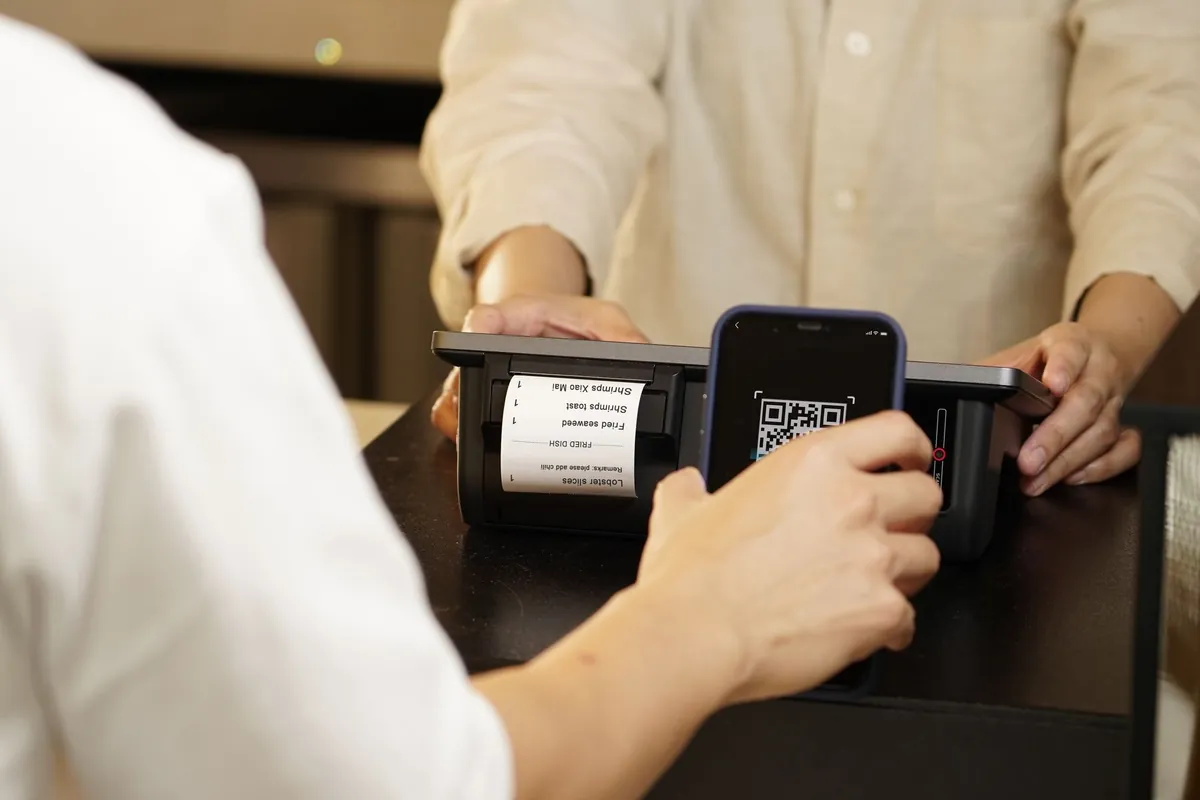
The fix is boring and it works: open your own banking or e-wallet app, find the incoming credit, and check the amount and the sender’s name. If you sell at a stall or a counter, a payment alert that sounds or shows on your side helps, because you don’t have to trust the buyer’s phone. Don’t release goods, and don’t send the tracking number, until the money is there.
Overpayment and “pay a fee to receive” tricks
This one flips the usual scam. The “buyer” says they’ve already paid you, too much in fact, and now you need to pay something before the money can reach you.
A Mudah.my seller described the full script to TheSmartLocal in 2021. He listed a camera for RM950. The buyer moved the chat to WhatsApp and sent a fake bank transfer image for RM1,900, saying the extra covered tax and insurance. To “release” it, the seller was told to pay a RM300 “activation fee” into an account that wasn’t in the buyer’s name. He called the bank’s hotline, which said there’s no such fee. When he refused, the buyer threatened legal action. He blocked them.
Example: the overpayment maths from a 2021 Mudah.my case
The RM1,250 is the RM300 fee plus the RM950 camera. Case reported by TheSmartLocal, 18 March 2021.
The rule: you never pay money to receive money. Banks, DuitNow and e-wallets don’t charge you “activation”, “insurance” or “tax” fees to release an incoming payment. If a message says otherwise, call your bank on the number printed on your card or on its official website, not the one in the message.
Code and OTP requests: how sellers lose their WhatsApp and shop accounts
For many small sellers, WhatsApp is the shop. That’s why it’s a target. A WhatsApp account can be moved to another phone with just a 6-digit code, and scammers get that code by asking for it: a “friend” who sent it to you by mistake, someone pretending to be WhatsApp staff, or a voice call that reads it out after repeated failed logins. MCMC has urged users never to share the code, as CelcomDigi’s help page notes.
Once in, the scammer reads your chats and messages your contacts and customers as you. The Sun reported in August 2026 that a 49-year-old in Kuching lost RM104,310 over four transfers after a friend’s hijacked account asked for advance payments. The paper also pointed out that WhatsApp’s two-step verification PIN is optional and off unless you switch it on. Switch it on today.
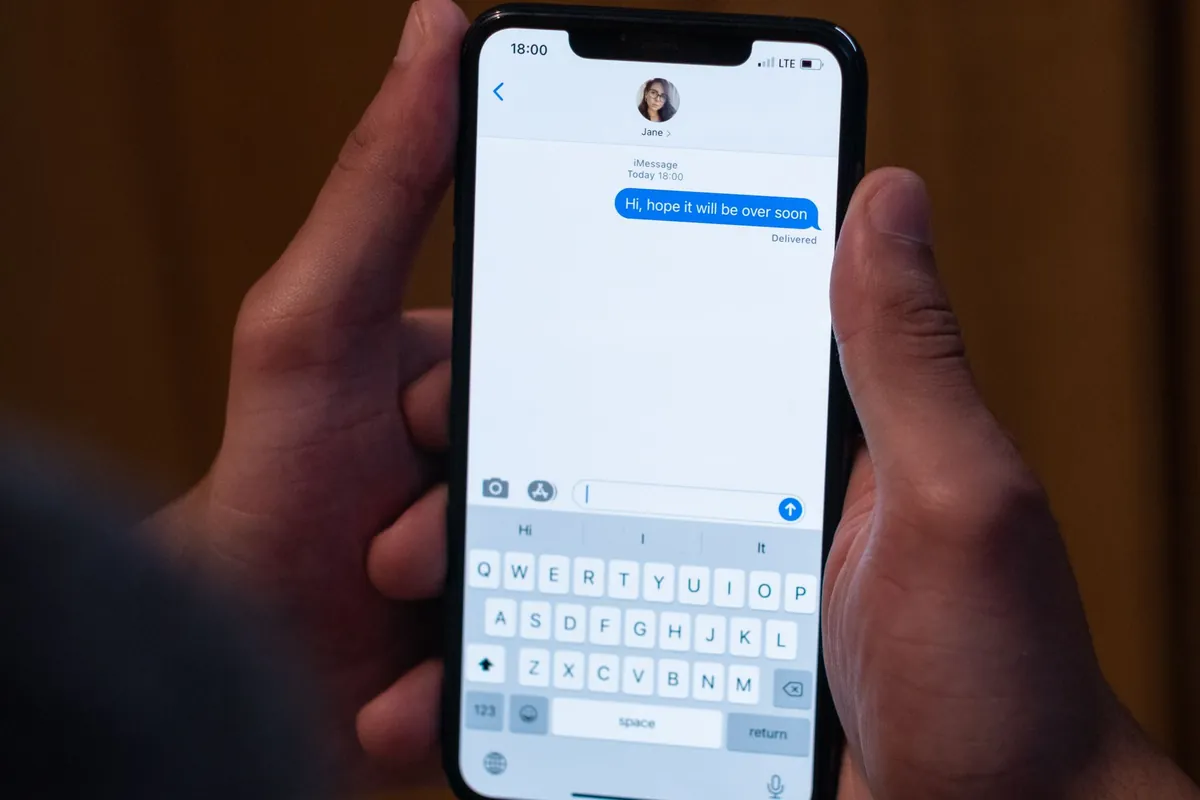
Your seller account is the next target. Shopee says it never asks for your password, OTP or ShopeePay PIN, never asks for payment outside the platform, and only contacts you through the app, its verified social media accounts or Shopee email addresses. TikTok Shop says it never asks for passwords, TACs or card details by direct message, phone call or email, and tells users to turn on 2-step verification. Shopee also says it doesn’t recruit through messaging apps and never asks for deposits.
Real platform message
- Shows up in the app or Seller Centre notifications
- Never asks for your password, OTP, PIN or card details
- Never asks you to pay a deposit or transfer money outside the app
- You can check it by logging in yourself
Fake "staff" message
- Arrives on WhatsApp, SMS or a phone call
- Says your shop will be suspended unless you act now
- Sends a link that opens outside the app
- Wants a code, a PIN, a "verification" payment or a deposit
The three-corner scam: real goods, real buyer, fake middleman
Kelantan police said in September 2026 that they had opened 66 investigation papers from 94 reports of the “three-corner” scam. Most reports, 75, came from buyers who lost money. The other 19 came from genuine sellers whose ads were misused. Motorcycles, cars, four-wheel drives and phones were among the goods involved.
Here’s how it works. A scammer copies or uses your real listing, poses as you to a real buyer, and tells that buyer to pay into an account the scammer controls. Sometimes the scammer also chats with you, posing as the buyer, so the deal looks normal on your side. When the real buyer turns up to collect, they’ve paid someone else and you haven’t been paid at all. Kelantan’s police chief advised buyers not to rush payments at unusually low prices, because the item can be real while the person you’re dealing with isn’t the seller.
As the seller, protect yourself and the buyer: only hand over goods when the money is in your own account, check that the sender’s name matches the person in front of you, and talk to the buyer directly before a meet-up. If someone turns up saying they’ve “already paid”, show them your account hasn’t received it and point them to 997.

Fake COD orders and refused parcels
Cash on delivery protects buyers. For sellers, it can mean paying to ship a parcel nobody intends to accept. COD complaints to the Domestic Trade and Cost of Living Ministry (KPDN) jumped this year, Minister Armizan Mohd Ali said in a written parliamentary reply.
Those complaints cover both sides, including goods that didn’t match the listing. On the seller side, The Star reported in November 2026 that small businesses lose delivery fees and pay return charges on fake orders and parcels refused after dispatch. KPDN says there’s currently no specific legal framework protecting sellers in COD deals, and it’s drafting an E-Commerce Bill that would clarify a buyer’s duty to pay for goods delivered on agreed terms and curb cancellations while goods are on the way.
Until then, a lawyer quoted by The Star said sellers can claim damages from a buyer who wrongly refuses goods, but they have to prove the refusal was wrongful and the losses were real. So keep the order confirmation, the chat, the tracking and proof of each delivery attempt. For a big COD order from someone who hasn’t chatted with you, a quick message or call to confirm before you ship costs nothing. Our cash on delivery guide has each platform’s COD limits, and our shipping options guide covers what happens to a refused parcel.
Return abuse and chargebacks
Some buyers try to keep the item and the money. On Shopee, “empty parcel” and “wrong item” are valid return reasons, and Shopee decides disputes on the evidence from both sides. You can dispute a return reason you disagree with. Your evidence is what you made before the parcel left: photos or a short video of you packing the item with the waybill visible, the weight on the scale and the tracking record. Our Shopee returns guide explains the process from the buyer’s side, which helps you see what they’ll submit.
If you sell on your own website and take cards, the risk is a chargeback: the buyer’s bank reverses the payment without asking you. Razorpay Curlec, a Malaysian payment provider, says merchants often only find out after the money has gone, and the window to respond is often a few days. Miss it and the chargeback usually stands. Keep proof of delivery, every message with the buyer, the order details and the refund policy shown at checkout. Its guide also flags “friendly fraud”, where a real customer claims fraud instead of returning the item.
Scammed as a seller? Who to call, in order
Speed matters most when money has left your account. Communications Minister Fahmi Fadzil said in March 2026 that the first one to two hours are critical, and the 997 line now runs 24 hours a day from Cyberjaya.
- Money left your account? Call 997 now. That's the NSRC, which works with the police, Bank Negara and the banks to freeze funds. Fahmi also said a 997 call is enough, without a separate police report.
- Call your bank's fraud hotline too. The NSRC's own FAQ says to call your bank's 24-hour line if 997 is busy. Use the number on your card or the bank's website.
- Have the details ready. A short timeline, your name, IC and account number, the scammer's name and contact, the account they used, the amount and the time of each transfer, plus screenshots of the chat.
- Lost goods but no money? Make a police report. 997 is an emergency line for scam transfers, not a complaints line, so a fake receipt or a three-corner case where nothing left your account goes to the police station.
- Report the account where it happened. On Shopee, chat with a live agent from the app. Report the scammer's profile on TikTok Shop, Mudah or Facebook too.
- Check and warn. Look up the scammer's account or phone number on Semak Mule (semakmule.rmp.gov.my), the police's free checker, before you deal with them again.
Note
The NSRC is a one-way call centre: it doesn’t call or WhatsApp people. Anyone who contacts you claiming to be from the NSRC or the police and offering to recover your money for a fee is running another scam. Our guide for buyers who’ve been scammed has more on fake recovery offers.
Before you ship: a one-minute check
Screenshot this: before you ship an order
- The money shows in your own bank or e-wallet app, not just in a screenshot
- The sender's name matches the buyer you're chatting with
- Nobody has asked you for a code, a PIN or a fee to "release" payment
- Platform orders stay in the platform's chat and payment
- A big COD order from a new buyer has been confirmed by message or call
- You have a photo or video of the packed item with the waybill showing
- WhatsApp two-step verification is switched on
Most of these scams need you to hurry. Slow down for one minute, check your own app, and you’ve beaten most of them. If you’re just getting started, our guide on how to sell online in Malaysia covers the rest of the basics.
Frequently asked questions
A buyer sent me a screenshot of the transfer. Can I ship?
Not yet. Open your own banking or e-wallet app and check that the money has actually arrived, from a name that matches your buyer. Edited receipt images are a common trick, and a DuitNow payment request notification is not a payment. Ship only once the credit shows in your account.
Someone asked me for a 6-digit code they say was sent to my phone by mistake. What should I do?
Don't share it. That code is usually what someone needs to log in to your WhatsApp or another account on their own phone. MCMC has urged users never to share WhatsApp's 6-digit codes. Shopee says it never asks for your password, OTP or ShopeePay PIN, and TikTok Shop says it never asks for passwords, TACs or card details.
What is a three-corner scam?
A scammer sits between a real seller and a real buyer. In the version Kelantan police described in September 2026, scammers used genuine sellers' ads, posed as the seller and told buyers to pay into accounts they controlled. The buyer loses the money and the real seller ends up with an angry stranger at the door. Check that any payment comes from the person you're actually dealing with.
Should I call 997 if I've been scammed as a seller?
Call 997, the National Scam Response Centre, straight away if money has left your bank account or e-wallet because of a scam. The line runs 24 hours, and in March 2026 the Communications Minister said a 997 call is enough without a separate police report. If you lost goods but no money moved from your account, such as after a fake receipt, make a police report instead.
Can I do anything about buyers who refuse COD parcels?
Not much under current law. The Domestic Trade Ministry said in November 2026 that there's no specific legal framework protecting sellers in COD deals, and it's working on an E-Commerce Bill that would clarify a buyer's duty to pay. A lawyer quoted by The Star said a seller can claim damages for a wrongful refusal but must prove it, so keep the order confirmation, chats and delivery records.
What is a chargeback?
A chargeback is when a card payment is reversed through the cardholder's bank, without the seller agreeing to it. It mostly hits sellers who take card payments on their own website. Payment provider Razorpay Curlec says the window to respond is often only a few days, so keep proof of delivery, your chats with the buyer and the refund policy shown at checkout.
Sources
- Malay Mail: Call 997 right away if you suspect a scam, Fahmi tells Malaysians (3 Mar 2026)
- The Star: Call 997 if you've been scammed, says Fahmi (4 Mar 2026)
- The Star: NSRC received almost 6,000 online scam reports in first four months of 2026 (28 Aug 2026)
- NSRC FAQ, version 8 Dec 2025 (copy hosted by Hong Leong Bank, checked 28 Nov 2026)
- The Vibes: Police in Kelantan open 66 investigation papers over 94 three-corner scam reports (20 Sep 2026)
- The Vibes: Trader loses RM780 in online payment receipt scam at local supermarket (17 Sep 2025)
- Sinar Harian: Peniaga dalam talian rugi RM78,706 ditipu pelanggan (18 Jul 2021)
- TheSmartLocal: Mudah.my scammer claimed to transfer an extra amount, then asked for a RM300 fee (18 Mar 2021)
- The Sun: WhatsApp OTP and QR codes can become master keys for scammers (19 Aug 2026)
- CelcomDigi: Fake 6-digit verification codes scam on WhatsApp, citing MCMC (checked 28 Nov 2026)
- Shopee Help Centre: How do I protect myself from scams? (checked 28 Nov 2026)
- Shopee Help Centre: Terms and conditions for returning products (checked 28 Nov 2026)
- TikTok Newsroom: TikTok Shop and KPDN #ShopSafe tips (17 Apr 2025)
- The Sun: COD complaints surge to 46 in first eight months of 2026, says minister (4 Nov 2026)
- The Star: More bane than boon for sellers (10 Nov 2026)
- Razorpay Curlec: What is a chargeback? A Malaysian merchant's guide (2 Jul 2026)
- The Star: Semak Mule portal records over 37 million visits (30 Oct 2025)
- The Star: When scammers pretend to be the scam busters (28 Dec 2025)
About the editor
Zen has been buying and selling online in Malaysia since 2010, more than 16 years, and has sold on several of the country’s e-commerce platforms. Zen runs 11street.my. How we check
11street.my is an independent guide. We are not affiliated with Shopee, Lazada, TikTok Shop, Taobao, Pinduoduo or any other platform, nor with the former 11street Malaysia marketplace.